Prosper vs McKinney Suburbs: How to Choose Your Next Home
February 19, 2026
February 19, 2026
Torn between Prosper and McKinney for your next move? You are not alone. Both suburbs offer strong housing options, solid schools, and access to major job centers, but they feel different day to day and come with different price points. In this guide, you will compare costs, schools, commute, community vibe, and what to expect from the homes themselves so you can pick with confidence. Let’s dive in.
Market snapshots show a clear price gap today. Zillow’s typical home value for Prosper sits around $780k to $790k as of January 2026, while McKinney’s typical value trends around $470k to $480k in the same period. You can review the live context on the pages for Prosper home values and McKinney home values.
Census QuickFacts add more context for Prosper’s profile. Prosper reports a median value of owner‑occupied housing near $824k, owner‑occupied rate around 87.9%, and median household income about $195k. These indicators point to a market that trends higher in price and strongly owner‑occupied compared to many North Texas suburbs. See Prosper’s official snapshot on Census QuickFacts.
District headlines matter, and campus details matter even more. Recent reporting shows Prosper ISD listed as an overall A district in the state’s public A–F release cycle, while McKinney ISD has been reported as a B district in the same cycle. You can view the district-level context in this Community Impact summary of Prosper ISD’s rating.
Prosper ISD serves much of Prosper and is growing quickly with added campuses and recent bond projects. For updates and board materials, start with the Prosper ISD district page. McKinney is primarily served by McKinney ISD, but parts of the city feed into adjacent districts, so you should verify the exact attendance zone for any property. Program availability also varies by campus. For example, McKinney ISD highlights coursework and programs at the campus level, as shown on a McKinney High School information page.
Tip: Always check the campus-level TXSchools pages and district zoning maps before you buy. District ratings are broad; individual schools can differ.
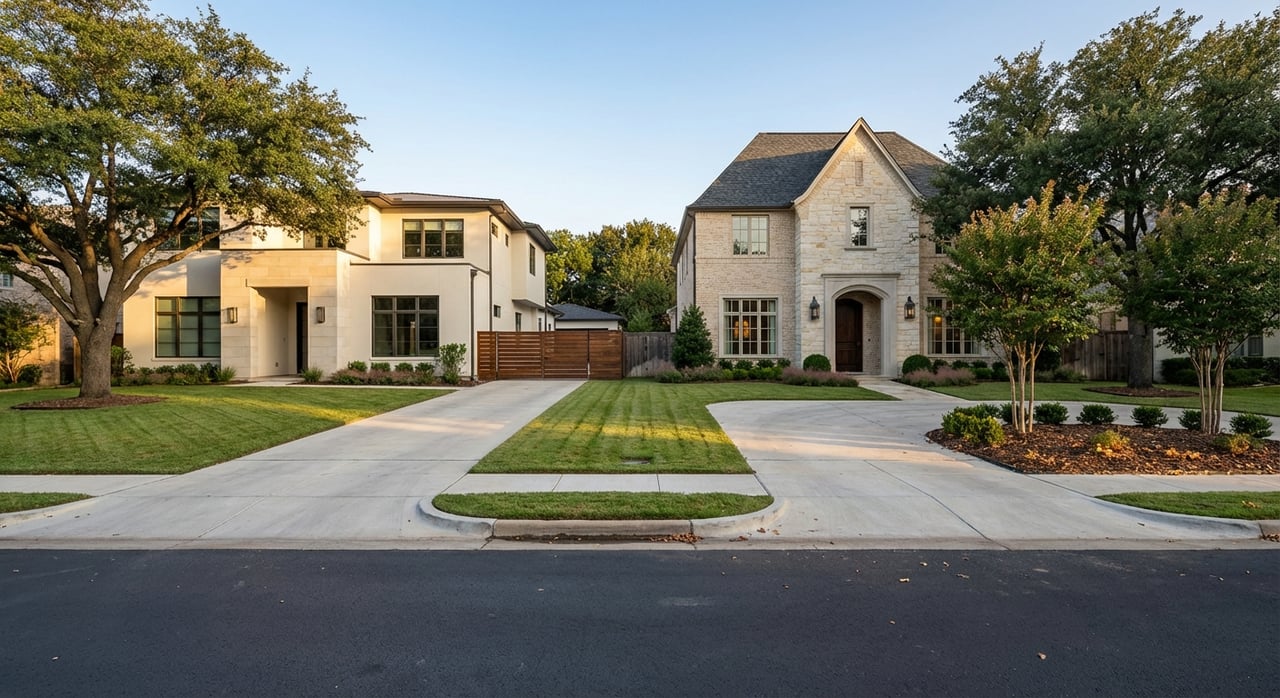
Prosper’s recent growth centers on master‑planned, new‑construction communities with a higher share of luxury and estate‑style homes. Builders commonly offer 50‑foot to 60‑foot product lines along with larger estate lots in select sections. Neighborhoods such as Windsong Ranch and The Commons at Artesia showcase these choices. You can scan representative builder and community options via this North Texas new‑home communities list and this developer neighborhood overview.
McKinney delivers a broader mix: an established historic core near the downtown square, mature subdivisions with smaller lots, and newer master‑planned areas and townhomes. If you prefer older homes to update or want more variety in lot size and architecture, McKinney typically has more choices across price bands.
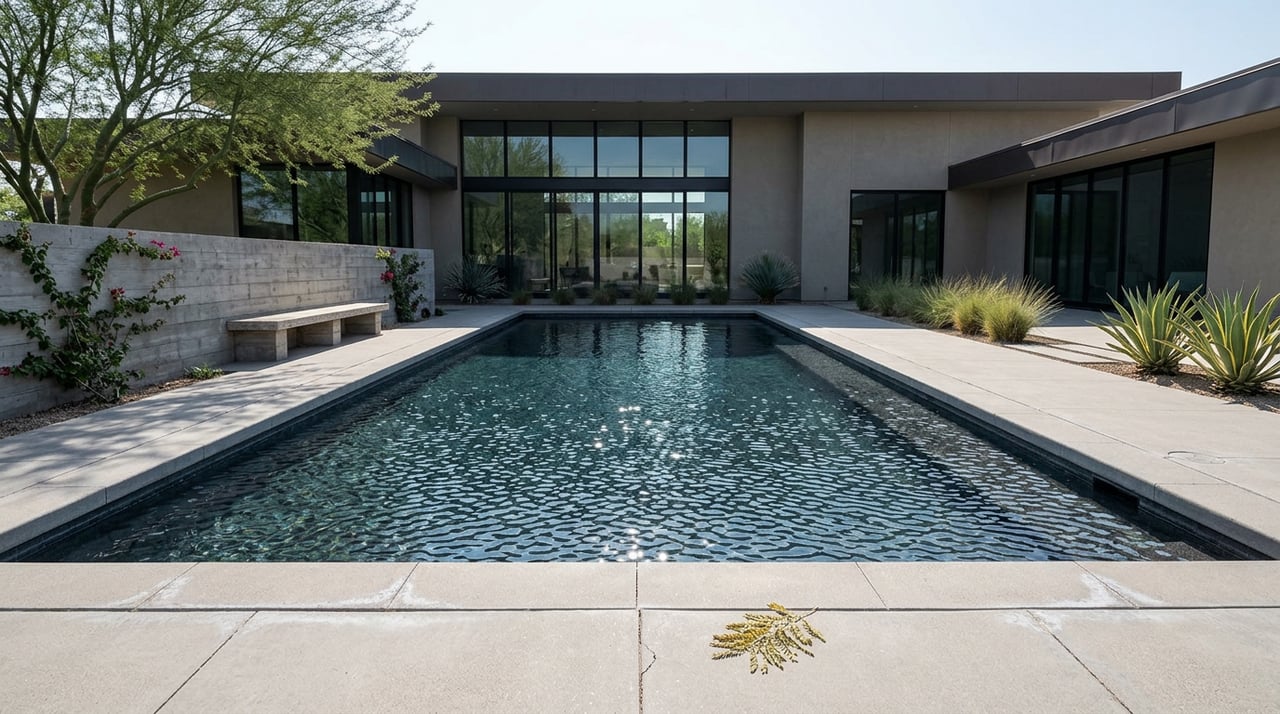
Prosper leans into a resort‑style suburban feel, with communities that feature large amenity centers, trail networks, and destination pools, along with an evolving retail base. Developer coverage highlights this lifestyle in areas where builders like Huntington Homes operate, as seen in this Prosper‑area community roundup.
McKinney is known for its active downtown square with restaurants and arts, plus larger city infrastructure that includes the McKinney National Airport. This gives McKinney a more built‑out municipal profile. For quick context on the city’s assets and history, see the McKinney city overview.
On average, commute times are similar. Census estimates show Prosper workers averaging about 29.5 minutes and McKinney around 27.8 minutes. You can use these as a baseline while remembering that actual travel depends on your exact start, destination, and time of day. See Prosper’s Census profile for reference on commute indicators.
Both cities benefit from regional corridors. Prosper ties into US‑380 and the Dallas North Tollway, while McKinney connects directly to US‑75 and US‑380. Capacity projects on these corridors are ongoing and can change travel times, so it helps to check recent corridor construction and capacity updates before you plan a commute.
Transit access is limited in both areas. Most residents drive, and regional rail access is not a defining feature of either suburb today. McKinney participates in local transit offerings through county frameworks, summarized in the McKinney city overview.
Annual carrying costs vary by the exact mix of taxing entities and any HOA, MUD, or PID obligations in your neighborhood. McKinney publishes the city’s property tax component and a summary of major taxing entities on its official tax information page. Prosper has increased its general homestead exemption to 17.5% and Prosper ISD posts board materials that include tax‑rate components and budget context, which you can find via the Prosper ISD resource hub.
Many master‑planned communities in Prosper have HOAs and may include MUDs or PIDs. Always review the community’s HOA documents and builder disclosures for fees and special assessments. A good starting point for community profiles is this North Texas neighborhoods list.
Live market pages show Prosper trading at a higher price band and McKinney at a lower median, with variation by neighborhood and home type. Use the current vendor snapshots for directional context here: Prosper values and McKinney values. Note the date in your research. The figures referenced above reflect Zillow Home Values as of January 2026.
Prosper’s growth pipeline includes recent district bonds and campus additions as the area scales, which can shape near‑term supply and community amenities. For current district growth notes and board recaps, see the Prosper ISD updates.
List your top priorities: lot size, new build vs resale, target school campus, and commute endpoint. This will narrow the map quickly.
For each short‑listed neighborhood, confirm:
Windsong Ranch. A large master‑planned community known for extensive amenities and sections that include larger estate lots. See builder coverage and community highlights in this Prosper‑area roundup.
Star Trail. A luxury‑leaning Prosper community with amenity centers and larger single‑family homes. You can review representative builder offerings in the regional new‑home communities index.
The Commons at Artesia. Offers 50‑foot and 60‑foot homesites among its product lines. For examples of typical lot sizes offered by builders and neighborhoods, see this DFW neighborhoods list.
Ready to see how these options fit your life in person? We can help you compare neighborhoods, verify school zones, price out taxes and HOA costs, and structure a smooth buy or sell plan. Connect with the ProMoves Team for private tours and a tailored strategy that fits your timeline.





We take great pride in the relationships Iwebuild and always work relentlessly on the client’s behalf to help them achieve their real estate goals.