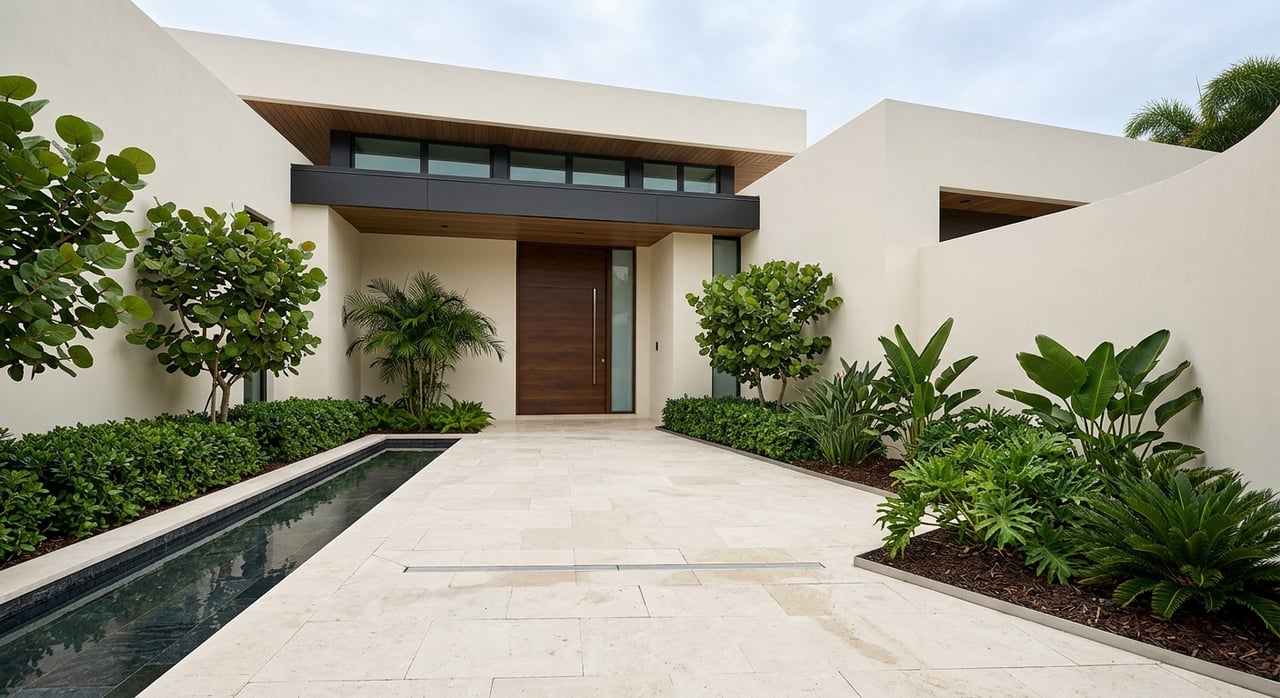
How to Buy Miami Luxury Private Homes With Privacy
May 14, 2026
May 14, 2026
Privacy in Miami is real, but it is rarely accidental. If you are a high-profile buyer, the right retreat is not just about water views, a large gate, or a beautiful pool. It is about how the property works day to day, how discreetly you can arrive and host, and how well the home holds up under Miami’s coastal realities. This guide will help you think through privacy, building diligence, flood exposure, financing, taxes, and post-closing planning so you can make a smart, confident move. Let’s dive in.
In Miami, privacy is usually created by a combination of location, access, building design, and daily logistics. A home may look private on paper, but the real test is how controlled the arrival experience feels, how visible the property is from public streets or water, and how easily staff, guests, and vendors can be managed.
For a high-profile buyer, a strong private retreat often includes controlled access, fewer public sightlines, guest screening, and service entry that does not interrupt your daily routine. It should also support practical needs like storm prep, secure document storage, and a clear plan for emergency access or evacuation.
That matters in a market like Miami-Dade, where the luxury segment remains active and speed often counts. In March 2026, total home sales in Miami-Dade rose 6.6% year over year, sales of properties priced at $5 million and up climbed 27%, and MIAMI REALTORS described South Florida as the top ultra-luxury market in the country, averaging one $10 million home sale per day.
Some of Miami’s most private options stand out because access is naturally limited. That can make a major difference if discretion matters as much as the home itself.
Indian Creek Village is a small municipality on a man-made barrier island in Biscayne Bay with 41 waterfront home sites. Residents and the club connect to the mainland only by the Surfside Bridge, which helps create a more controlled entry pattern than many other waterfront areas.
For buyers focused on limited traffic and a smaller residential footprint, that setup can be appealing. It is not just prestige. It is a practical privacy feature tied to geography and access.
Fisher Island is accessible only by ferry or yacht, and ferry use requires pre-arranged security clearance. For a high-profile buyer, that creates a very different arrival and guest experience than a standard luxury condo or single-family neighborhood on the mainland.
This kind of access can support a stronger privacy plan, especially if you value screening and predictability. It can also affect everyday logistics, so it is important to weigh convenience and discretion together.
Gables Estates is a secure waterfront community in Coral Gables with 192 lots and sea-walled canals. It also has a membership prerequisite to purchase, which adds another layer to the buying process.
For some buyers, that structure can support a more controlled ownership environment. It also means your due diligence should cover not only the property, but also the community’s purchase requirements and operating framework.
Many high-profile buyers ask whether a gated waterfront estate or a luxury condo offers better privacy. The answer depends on how you live.
A single-family waterfront home may offer more separation, more direct control over access, and fewer shared spaces. That can be helpful if you want private outdoor areas, service flexibility, or less interaction with neighbors and building staff.
A luxury condo may offer secure entries, building staff, and easier lock-and-leave ownership. But condos also bring shared amenities, common areas, association rules, and building-level financial and structural questions that deserve close review.
Here is a simple way to compare them:
| Property type | Potential privacy strengths | Key tradeoffs |
|---|---|---|
| Gated waterfront home | More control over entry, outdoor space, and daily routines | More direct responsibility for storm prep, upkeep, and staffing |
| Luxury condo | Managed access, easier part-time ownership, building services | Shared spaces, association oversight, and building-specific financing limits |
The better fit is usually the one that matches your schedule, visibility level, and comfort with ongoing property operations.
In Miami, flood diligence is not a final checkbox. It should shape your search from the beginning.
Miami-Dade offers property-level tools that let you review flood zones, ground elevation, hurricane storm surge, and sea-level-rise scenarios. The county’s 3-D viewer can also show buildings affected by one to six feet of sea-level rise, which is especially useful when comparing island, waterfront, and inland options.
If you are considering Miami Beach or another coastal barrier-island location, this matters even more. Miami Beach notes that A and V flood zones fall within mandatory insurance zones, and the city also notes that flood maps and base flood elevations can change.
Key Biscayne’s 2025 hurricane and flood guide adds another useful point of reference for coastal decision-making. The village states that it is in a Special Flood Hazard Area and Evacuation Zone A, and advises residents to plan for document storage, power loss, and evacuation.
Before you write an offer, ask your team to help you review:
These checks can help you compare two beautiful homes in a much more practical way. A property that feels ideal on a showing day may carry very different long-term operating costs and storm-season demands.
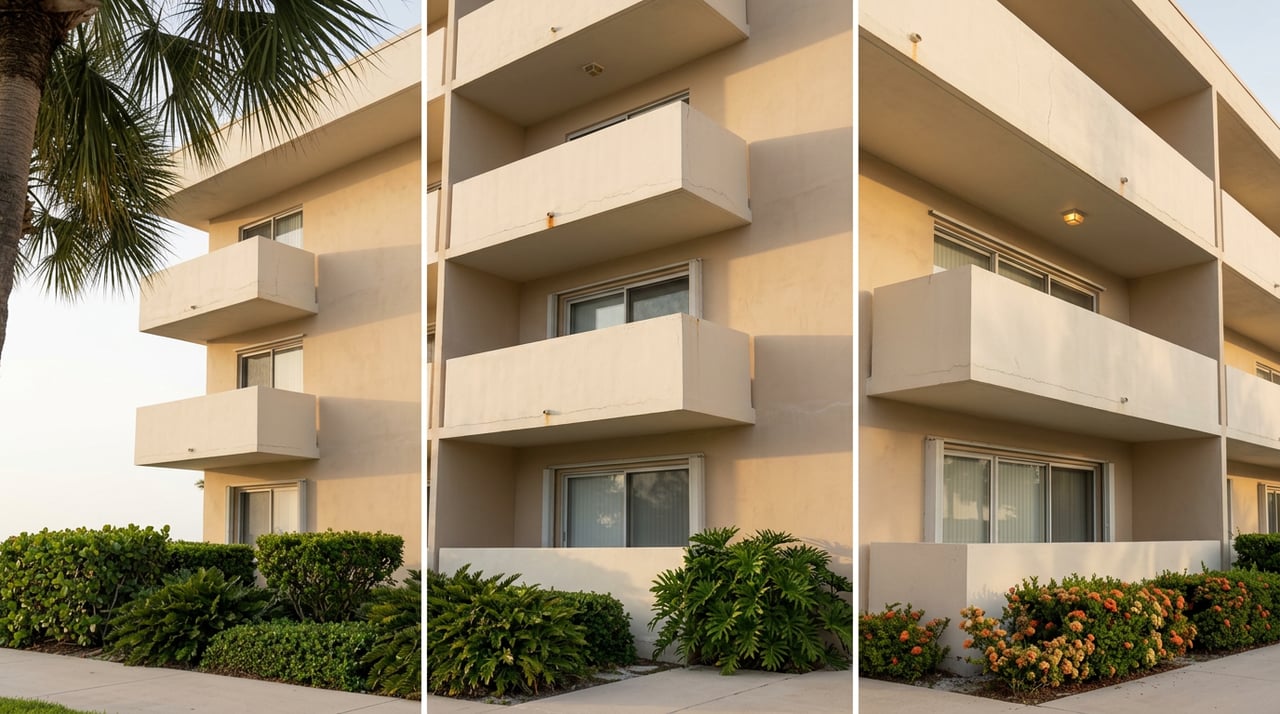
If you are buying an older condo or co-op, building condition is a major part of the decision. Miami-Dade recertification begins at 30 years for inland buildings and 25 years for coastal buildings, then repeats every 10 years for the life of the structure.
Florida also requires milestone inspections for condo and co-op buildings that are three habitable stories or more, with timing tied to age and coastal proximity. In addition, the state requires structural integrity reserve studies every 10 years for qualifying condo buildings.
For buyers, the takeaway is simple. Inspection history, reserve funding, and repair planning are central parts of condo due diligence in Miami today.
Florida law now places tighter limits on how some owner-controlled associations can underfund required reserves for structural items. In practical terms, this means older buildings may have a different financial profile than they did a few years ago.
If you are looking at a condo as a private retreat, you should review the association’s financial health with the same care you would bring to the residence itself. A sleek lobby and great views do not replace a careful look at inspection records, reserve adequacy, and upcoming building obligations.
Even in the luxury space, financing deserves early attention. Miami is a market where certainty often wins.
In March 2026, 38.1% of Miami closed sales were cash. MIAMI REALTORS also reported that 82% of Miami $1 million and up condo sales were all-cash in 2025, and only 21 of 2,397 condo buildings across Miami-Dade, Broward, and Palm Beach counties were FHA-approved.
That does not mean financing is off the table. It means financing can be highly property-specific, especially for condos and older buildings, so it is wise to confirm options before you get too far into negotiations.
If you are buying a Miami retreat that will not be your primary residence, your tax planning may look different from a full-time move. Miami-Dade states that the homestead exemption applies to a homeowner’s primary residence and requires permanent residence on the property as of January 1.
The county says that exemption can save homeowners up to $50,000 on the taxable value of the primary residence. For many part-time buyers, that means the exemption may not apply.
Before you move forward, it helps to compare assessed value and tax burden across neighborhoods. The Miami-Dade Property Appraiser provides tools for property search, comparable sales, tax estimation, and tax comparisons, which can be useful before you write an offer.
A private purchase still depends on people. Before you rely on any real estate professional or licensed vendor, Florida’s DBPR online portal allows you to verify licensed individuals by name, license number, city, county, or license type.
That step may seem basic, but it supports the kind of discreet and well-managed process high-profile buyers usually need. The right team should be responsive, organized, and able to keep the search focused on homes that truly fit your privacy and operational priorities.
For buyers moving across markets, that coordination matters even more. At ProMoves Team, our role is to help clients make well-supported moves with discretion, clear communication, and trusted referral coordination when a market calls for local specialists.
A Miami retreat should work when you are home and when you are away. If the property will sit empty for part of the year, post-closing planning is part of the purchase decision.
Miami-Dade coastal guidance and village flood guides consistently emphasize the need for a storm plan, backup power strategy, secure document storage, and scheduled check-ins before and during hurricane season. Those are not luxury add-ons. They are core operating needs for many coastal homes.
As you evaluate properties, think ahead about:
The smoother your post-closing plan, the easier it is for a Miami retreat to feel restorative rather than demanding.
The strongest private retreat in Miami is usually not the one with the flashiest feature sheet. It is the one that balances controlled access, building safety, flood awareness, financing flexibility, and long-term ease of use.
If you are a high-profile buyer, privacy has to be built into the full ownership experience. That includes where the property sits, how it is accessed, what the building or association requires, and how well the home can support your life when plans change quickly.
If you want a discreet, white-glove buying experience backed by trusted referral coordination, ProMoves Team is here to help you make your next move with confidence.


We take great pride in the relationships Iwebuild and always work relentlessly on the client’s behalf to help them achieve their real estate goals.