Fort Worth Housing Options For Dallas Area Professionals
July 16, 2026
July 16, 2026
If your workday starts in Dallas but your home search keeps pulling you west, Fort Worth deserves a closer look. You may want more housing variety, a different lifestyle pace, or better alignment with how you actually live and commute. The good news is that Fort Worth offers several distinct housing patterns, from walkable urban districts to established residential corridors and newer growth areas. This guide will help you compare the main options so you can narrow your search with confidence. Let’s dive in.
Fort Worth gives you a wide range of housing choices at price points that can feel more approachable than many buyers expect. In spring 2026, Zillow reported a median sale price of $322,170 in Fort Worth and an average home value of $300,445, while Redfin reported a $338,000 median sale price over the prior three months. Zillow also showed homes going pending in about 25 days.
That means you are not looking at just one kind of market. You can compare central condos, townhomes, historic homes, corridor housing, and newer development patterns depending on your commute, budget, and maintenance goals. For many Dallas-area professionals, that flexibility is the real advantage.
The clearest way to compare Fort Worth housing options is to focus on four factors:
Fort Worth’s planning framework also supports this kind of comparison. The city has 17 designated urban villages and mixed-use districts designed to support compact, walkable development with mixed land uses, jobs, public spaces, transportation connections, and pedestrian activity.
If you are trying to choose between neighborhoods, it helps to match each area to your work rhythm. In Fort Worth, that usually means one of four lifestyle buckets: walkable downtown living, historic near-core living, established west-side living, or newer north-corridor living.
If you want a lock-and-leave lifestyle, Downtown Fort Worth and West 7th are strong places to start. This part of the city is built for buyers who value walkability, mixed-use surroundings, and easier access to work, dining, and everyday errands over having a large yard.
Downtown is Fort Worth’s most walkable mixed-use core. West 7th functions as a live-work district that links Downtown and the Cultural District, with mid- and high-rise housing, retail, and office space along the Trinity River corridor. You will typically find condos, apartments, and townhome-style options here rather than traditional detached homes.
Panther Island is also part of this central conversation. It is planned as a mixed-use, primarily residential district north of Downtown, with more than 10,000 mixed-income residences envisioned by the city.
For buyers thinking long term, that makes Panther Island worth watching as part of Fort Worth’s evolving urban core. It may especially appeal to professionals who want to stay close to central Fort Worth while keeping an eye on future mixed-use growth.
Central Fort Worth has the strongest transit access in the city. Fort Worth Central Station serves as the region’s largest bus transfer point and a rail hub, with service from Trinity Metro TEXRail and Trinity Railway Express.
For Dallas-bound professionals, that matters. TRE connects through downtown Dallas, where riders can access DART Red and Blue lines at EBJ Union Station, and TEXRail runs from downtown Fort Worth through North Fort Worth, North Richland Hills, and Grapevine to DFW Terminal B.
If you want older housing stock and a more traditional neighborhood feel, Near Southside and nearby districts deserve a close look. This group includes Near Southside, Magnolia, South Main, Berry/University, and Fairmount.
Near Southside offers mixed-use urban neighborhoods, traditional streetscapes, early-1900s single-family homes, renovated historic apartments, and newer townhome and loft options. That mix can be especially appealing if you want more architectural character without giving up access to central Fort Worth.
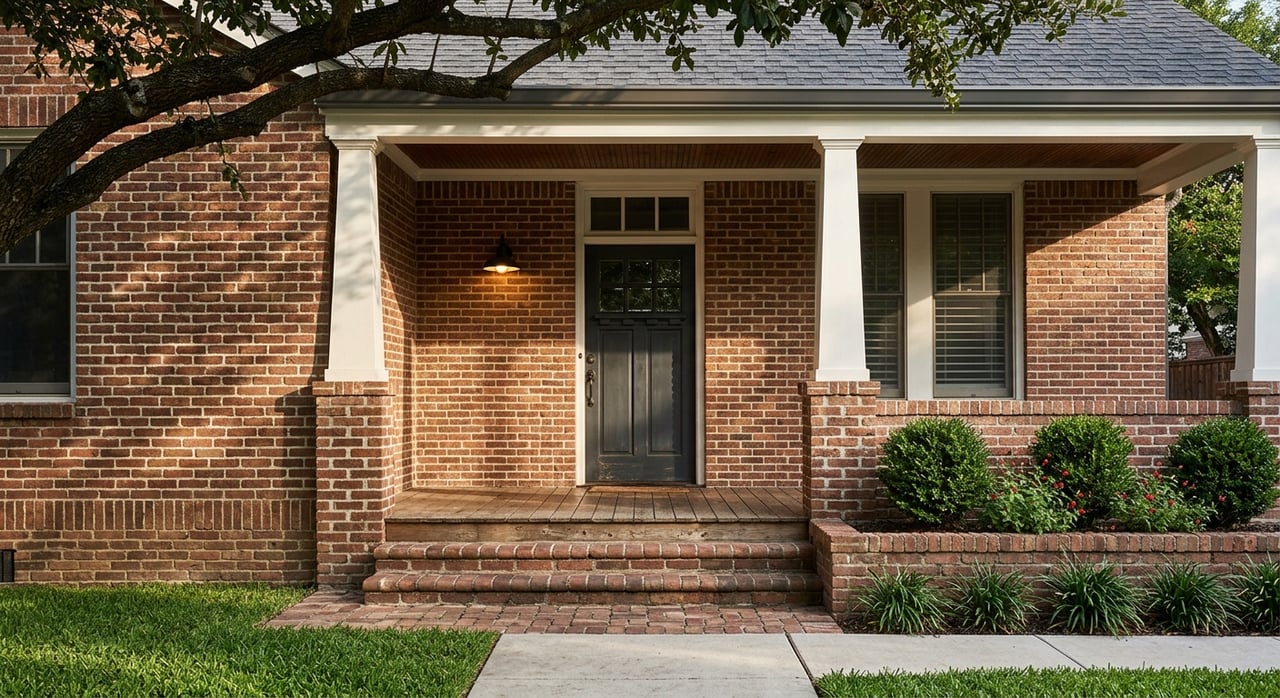
Fairmount is known as a streetcar suburb with Craftsman-style bungalows and single-family homes. If you are drawn to established homes and a more classic residential pattern, this area often feels different from the newer, more vertical housing found closer to Downtown.
Magnolia combines destination retail, office, and housing supported by structured parking, with connections to surrounding neighborhoods, Downtown, and the Medical District. South Main, just south of Downtown, is also closely tied to the central business district’s urban atmosphere.
This part of Fort Worth is a useful match if your routine includes Downtown, the Medical District, or campus-adjacent destinations. Berry/University sits next to Texas Christian University, and Bluebonnet Circle is just south of TCU, giving this broader area multiple access points depending on where your days take you.
For many Dallas-area professionals, the appeal here is balance. You get a neighborhood-oriented setting, a wider mix of housing ages and styles, and convenient access to central employment and activity centers.
Ridglea and the Camp Bowie corridor offer a different kind of Fort Worth experience. If you want an established west-side address with corridor amenities and a more residential feel than the central core, this is a smart comparison bucket.
The city reports substantial recent commercial and housing investment in Ridglea. Camp Bowie also has a form-based code intended to guide growth and revitalization along the corridor, including the Ridglea Urban Village core and nearby transition areas.
This part of Fort Worth can appeal to professionals who want access to shops and services along a major corridor but prefer something less urban than Downtown or West 7th. It often fits buyers who like the idea of established surroundings and want to stay connected without being in the city’s busiest mixed-use districts.
In practical terms, Ridglea and Camp Bowie can make sense when your priorities lean toward a residential feel first and walkable high-density living second. It is a different rhythm, and for many buyers, that is exactly the point.
If your work is tied to north Fort Worth, logistics, aviation, or airport-adjacent roles, Far North Fort Worth is one of the most relevant areas to evaluate. This bucket includes Alliance, Basswood, and nearby growth centers shaped by the city’s long-range planning framework.
The city’s Far North planning approach prioritizes commercial, mixed-use, and urban residential development around areas such as Alliance Gateway West, Alliance Town Center, Fossil Creek, and Nance Ranch. In 2022, the city said a nearly 300-acre I-35W/Basswood rezoning would create a new regional development node with room for commercial, residential, and possible employment uses.
If your job is anchored near Alliance or your travel patterns keep you focused on the northern side of the region, living in Far North Fort Worth may offer a better day-to-day fit than central Fort Worth. Rather than choosing housing based mainly on entertainment districts or historic charm, you may be choosing based on access, newer growth patterns, and proximity to work nodes.
That can be a smart move when your schedule is busy and efficiency matters. The right location is not always the most talked-about one. It is the one that supports your real routine.
If rail access matters, central Fort Worth stands out. Downtown, West 7th, and Near Southside are the most transit-friendly housing areas for Dallas-bound professionals or frequent flyers because they place you closest to the city’s strongest transit network.
TEXRail provides a 27-mile commuter line from downtown Fort Worth to DFW Terminal B through North Fort Worth, North Richland Hills, and Grapevine. For TRE riders, DFW Airport notes that travelers can transfer to Terminal B using the TRE Link shuttle from CentrePort/DFW Airport Station.
A good housing decision starts with honesty about your weekly pattern. Ask yourself whether your routine looks more like a Dallas commute, airport travel, central Fort Worth meetings, or north-corridor workdays.
Once that pattern is clear, the housing map usually gets easier to read. Central districts suit people who want stronger transit access and walkability, while north Fort Worth often fits people whose work is already concentrated near Alliance or airport-adjacent areas.
| Area | Best Fit | Common Housing Pattern | Lifestyle Feel |
|---|---|---|---|
| Downtown / West 7th | Dallas commuters, frequent flyers, low-maintenance buyers | Condos, apartments, townhomes | Walkable and urban |
| Panther Island | Buyers tracking future central growth | Planned mixed-use residential | Emerging urban district |
| Near Southside / Fairmount | Buyers wanting character and central access | Early-1900s homes, renovated apartments, lofts, townhomes | Historic and neighborhood-oriented |
| Ridglea / Camp Bowie | Buyers wanting an established west-side setting | Corridor and residential housing mix | Established and residential |
| Far North / Alliance / Basswood | North Fort Worth workers, logistics or aviation roles | Newer growth-oriented housing patterns | Practical and growth-focused |
The best Fort Worth housing option for you depends less on a single neighborhood name and more on how you want your week to function. If you want walkability and transit access, start in Downtown, West 7th, and nearby central districts. If you want character and a neighborhood feel, look closely at Near Southside and Fairmount.
If you prefer a more established west-side setting, compare Ridglea and Camp Bowie. If your job pulls you north, Far North Fort Worth may be the most practical match. When you line up home type, commute, amenity access, and maintenance level, the right area usually becomes much clearer.
If you are comparing Fort Worth with Dallas-area living and want a tailored plan based on your schedule, housing goals, and relocation timeline, ProMoves Team is here to help you make your next move with clarity and confidence.
We take great pride in the relationships Iwebuild and always work relentlessly on the client’s behalf to help them achieve their real estate goals.