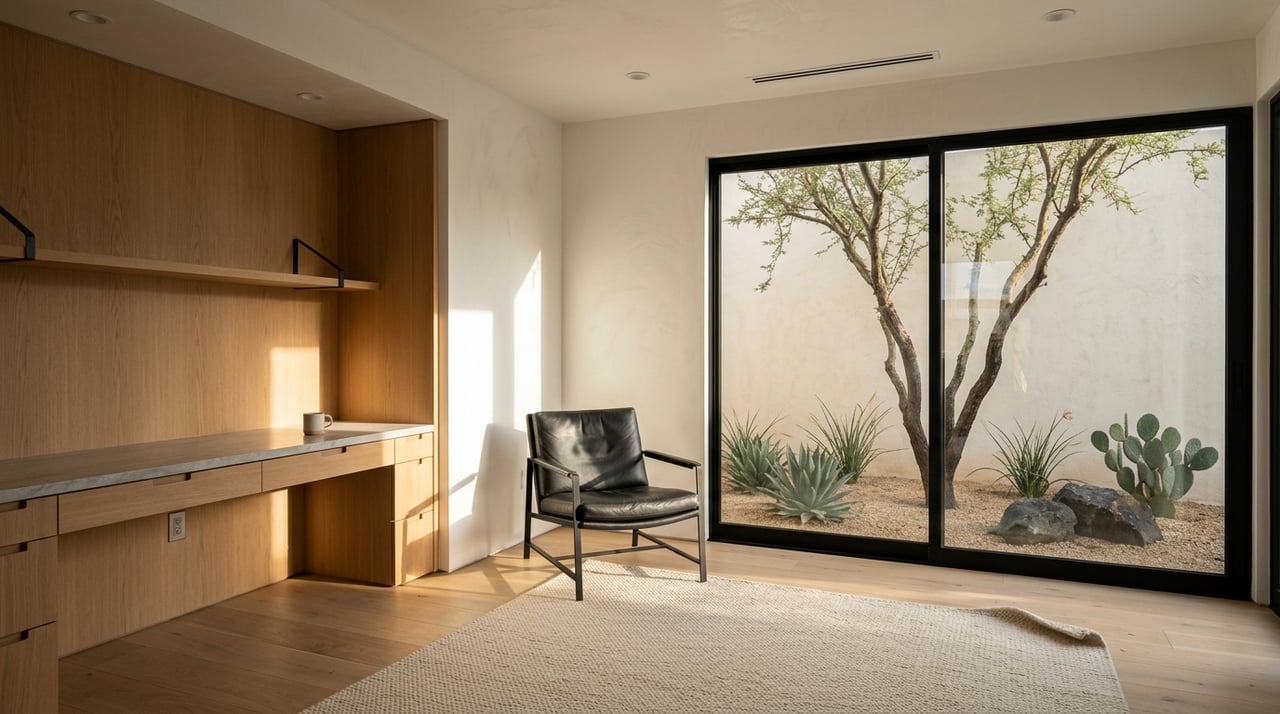
Plan Your Phoenix Relocation From North Texas
July 9, 2026
July 9, 2026
Thinking about trading North Texas for Phoenix? It can sound simple on paper, but a long-distance move gets complicated fast when you add a different market pace, Arizona-specific due diligence, summer weather, and closing logistics. The good news is that with the right plan, you can cut down on guesswork, avoid rushed decisions, and move forward with more confidence. Let’s break your Phoenix relocation into clear, manageable steps.
If you are moving from North Texas, one of the biggest mistakes you can make is assuming Phoenix will behave the same way. The latest city-level data shows Phoenix as a somewhat competitive market, with a median sale price of $463,967 over the three months ending May 2026. Homes sold after about 51 days on market, and the sale-to-list ratio was 97.7%.
That means you may still see competition, but you should not assume every home will fly off the market or sell above asking. Redfin reports that 16.9% of Phoenix homes sold above list price, while the average home sold for about 2% below list price. Pending timing was around 52 days, which suggests many buyers still have room to evaluate options carefully.
At the county level, the picture can look different. Phoenix REALTORS’ May 2026 update for Maricopa County shows a $510,000 median sales price for single-family homes, 70 days on market, and 4.0 months of inventory. That is a good reminder that pricing and speed can vary depending on the area, the property type, and the specific neighborhood.
ARMLS adds another useful reality check. In June 2026 commentary, it noted that sales volume was still running about 14% below historical seasonal norms, and 75% of homes that closed in May did so after a median $25,000 price reduction from the original list price. For you, that means timing, pricing, and negotiation strategy matter.
A Phoenix move usually goes more smoothly when you treat it like a phased project instead of a one-weekend scramble. Remote research, shortlist creation, in-person verification, contract review, and post-closing setup each deserve their own window of time.
This matters even more in summer. The National Weather Service lists Phoenix July normals at 107°F for the average high and 83°F for the average low. Maricopa County also warns that monsoon storms can bring flash flooding, lightning, severe wind, and dust storms, so your trip planning should leave room for weather delays and safety concerns.
One more detail that can trip people up is time zone confusion. Arizona, except for the Navajo Nation, stays on Mountain Standard Time year-round. If you are scheduling virtual tours, calls, inspections, or travel from North Texas, make sure everyone is working from Arizona time.
A clean plan often looks like this:
Remote home shopping can be incredibly helpful, but it works best as a pre-screening tool. The Arizona Department of Real Estate says prospective purchasers may wish to view the property location before signing, which is an important distinction for out-of-state buyers.
In other words, virtual tours can help you rule homes out. They should not be treated as the final word on condition, location, noise, access, or the surrounding area.
ADRE also recommends checking city or county zoning maps for nearby land uses, reviewing ADOT maps for future freeway routes, confirming the school district serving the subdivision, and reviewing CC&Rs if the property is in an HOA. Those steps are especially helpful when you are trying to avoid surprises after moving across state lines.
Before you get emotionally attached to a home, confirm:
ADRE also flags airport disclosure, flood insurance, and environmental hazard research as topics to investigate before purchase. That gives you a strong framework for evaluating homes beyond finishes and photos.
Once you have a short list, your in-person visit should be intentional. Instead of trying to tour everything, use that trip to validate what you cannot fully understand online.
That includes street noise, parking, shade, lot orientation, driveway and garage usability, and whether the online listing matched reality. In Phoenix, it also makes sense to pay attention to how the home feels at different times of day, especially during hotter months.
Summer conditions can make this step even more important. Maricopa County warns that monsoon flooding can be fast-moving and dangerous, even in a desert region. A property that looks dry and simple online may still raise practical drainage or access questions when you are there in person.
Use your trip to check:
Arizona has a few due diligence items that deserve extra attention when you are relocating. ADRE’s consumer guidance is especially useful here because it lays out what buyers should review before signing.
For resale homes, ADRE says a seller’s broker represents the seller, so a buyer may wish to retain a buyer’s broker. It also advises buyers to read the seller’s property disclosure report and purchase contract deadlines carefully, consider a termite inspection, consider a professional home inspection, and confirm that appliances, water, and irrigation operate properly.
These are not small details. When you are moving from out of state, a checklist-based approach can protect you from making a fast decision based on photos, urgency, or assumptions.
If the property is in an HOA, ADRE says you should review the CC&Rs carefully. Community rules may restrict landscaping, RV parking, play equipment, and satellite antennas.
That matters for many relocating buyers from North Texas, especially if you are used to a larger lot, extra vehicles, or more flexibility in how you use outdoor space. HOA rules can shape your day-to-day experience more than many buyers expect.
ADRE says buyers should check for airport disclosure if a property is near a military or public airport. It also notes that flood insurance is separate from a standard homeowners policy.
Maricopa County gives the same flood-related warning in practical terms. Flood damage is not typically covered by homeowners insurance, so it makes sense to ask these questions early rather than after you are deep into the process.
If you are considering a newly built home, your checklist should expand. In Arizona, the DRE Public Report must be provided to a prospective purchaser before signing the purchase contract.
According to ADRE, the report covers items such as flooding and drainage, adjacent land uses, utilities, community facilities, taxes and assessments, and property owners association details. For buyers relocating into fast-growing parts of the Phoenix area, that information can be especially important.
ADRE also cautions that not all information in the Public Report is independently verified. That means you should still verify key facts before signing documents, particularly if future development, HOA structure, or site conditions could affect how the property lives over time.
A smooth relocation does not always mean moving directly from one closing table to another. Sometimes the smartest move is giving yourself a short bridge period.
The Corporate Housing Providers Association defines corporate housing as fully furnished, professionally managed temporary residential-style accommodations, typically for stays longer than 30 days. It can include furnished apartments, condominiums, and single-family homes with furniture, housewares, and utilities.
For a Phoenix relocation, temporary housing can be a practical buffer if your North Texas timeline and Arizona purchase timeline do not line up. It can also give you more flexibility to explore areas, complete due diligence, and avoid making a rushed decision under pressure.
Relocation plans often focus on the search, but post-closing details matter too. In Maricopa County, the Recorder’s Office records deeds, plats, and other important documents, but it does not provide legal advice or assistance.
Its FAQ states that the office only records documents and does not provide recording forms. For help choosing or completing forms, it points people to the title company, attorney, paralegal, or estate planner.
The county’s recorder and assessor resources can also help you search recorded documents, locate deeds, find plat maps, and review CC&Rs. That makes them useful tools before and after closing, though they are not a replacement for title or legal guidance.
One easy post-closing detail to overlook is where your property or tax notices will go. If you need to change the mailing address for those notices, Maricopa County says that update goes through the Assessor’s Office, not the Recorder’s Office.
It is a small step, but it can save you from missing important mail after your move.
A Phoenix relocation from North Texas works best when you slow down just enough to be thorough. The market can be flexible in some cases, but that does not remove the need for local verification, Arizona-specific disclosures, climate planning, and a realistic timeline.
If you build your move around a clear shortlist, one focused in-person trip, and a strong due diligence checklist, you put yourself in a much better position to buy with confidence. And if your timeline gets tight, temporary housing can give you breathing room instead of forcing a rushed decision.
If you are planning a move and want a relationship-first team that understands relocation logistics, timing pressure, and white-glove coordination, connect with ProMoves Team.



We take great pride in the relationships Iwebuild and always work relentlessly on the client’s behalf to help them achieve their real estate goals.