Timing your move in Dallas can change your experience, your leverage, and your bottom line. You want to buy or sell when the market works for you, not against you. In this guide, you’ll learn how seasonality shapes pricing, inventory, and competition across Dallas County, plus step-by-step timelines for the next 3–6 months. Let’s dive in.
Dallas’s seasonal cycle at a glance
- Spring and early summer: More new listings, stronger buyer traffic, shorter days on market, and upward pressure on prices.
- Late summer and early fall: Activity cools as families settle, inventory may linger longer, and price growth often levels off.
- Late fall and winter: Fewer listings and fewer active buyers, longer days on market, and more room to negotiate.
- Neighborhood and price-tier differences: Luxury, investor-heavy areas, and new-construction communities may follow different rhythms.
What drives seasonality in Dallas
Demand-side drivers
- School calendar: Many families plan moves around summer break, so searches and offers ramp up in spring.
- Employment and relocations: Corporate moves and new roles often start in spring and early summer, adding to competition.
- Mortgage rates: Rising or volatile rates can slow demand, even in spring. Falling rates tend to intensify competition.
- Investor activity: Investors can be active year-round, sometimes muting seasonal swings in certain neighborhoods.
Supply-side drivers
- New construction: Steady building in the suburbs can add year-round options and soften seasonal peaks.
- Seller prep cycles: Many owners tackle projects in winter and list in spring, creating a spring surge in inventory.
- Weather and holidays: Mild winters keep showings going, but holiday schedules still slow listings and traffic late in the year.
External shocks and market structure
- Interest-rate spikes, stock market shifts, and major employer announcements can shift or override typical peaks and troughs.
- Local policy changes or lending updates can temporarily alter timing and momentum.
Prices and competition: what to expect
In Dallas County, median sale prices often climb as activity builds in spring, when demand is strongest relative to available inventory. Prices frequently level off or dip heading into fall and winter as competition eases. Days on market tend to be shortest in spring and longest in winter.
Keep in mind that seasonality varies by neighborhood and price tier. Higher-price segments, new-construction communities, and investor-focused areas can follow different patterns, so align your strategy with your specific micro-market.
Buyer game plan for the next 3–6 months
If you are buying in late fall or winter
- Expect less competition and more negotiating flexibility, but fewer choices.
- Look for motivated listings and consider requests for closing cost credits or flexible closing timelines.
- Use the slower pace to complete due diligence and get comfortable with the home.
If you are buying in spring
- Get pre-approved early, set alerts, and be ready to tour quickly.
- Expect multiple-offer scenarios in some areas. Structure clean, compelling offers with guidance from your agent.
- Balance competitiveness with protection. Tighten contingencies carefully and understand the risks before waiving any.
Buyer timeline (3–6 months)
- Immediately: Secure pre-approval, confirm your budget, and define target neighborhoods in Dallas County.
- Ongoing, 3–6 months out: Monitor new listings and set alerts for your criteria. Review comparable sales with a seasonal lens.
- 1–2 months from target move: Engage a buyer’s agent, refine search criteria, and prepare for fast decision-making in spring.
Seller game plan for the next 3–6 months
Selling in the next 3 months
- Weeks 1–2: Interview agents and request a comparative market analysis with seasonal context.
- Weeks 2–4: Complete high-impact repairs, paint, declutter, and schedule staging if needed.
- Weeks 4–6: Order professional photos, consider a pre-listing inspection, and finalize pricing strategy.
- Listing month: Launch a strong marketing plan and consider open houses if the market supports them.
Strategy notes:
- Off-peak listing: Expect fewer buyers and longer days on market. Price competitively and consider concessions if you need speed.
- Spring launch: Speed matters. Aim to be market-ready to capture early spring traffic when buyers are most active.
Aiming for spring in 4–6 months
- Months 4–6: Start decluttering and planning larger repairs. Get contractor bids and map your staging plan.
- Months 2–3: Finalize your agent selection, consider pre-listing inspections, and time landscaping for fresh spring photos.
- Month 1: Set strategic pricing, order professional photography, and target a launch 2–4 weeks before peak buyer searches.
Marketing and pricing tips
- Pricing: In spring, slightly bolder pricing can spark interest and multiple offers. Off-season, lead with competitive pricing from day one.
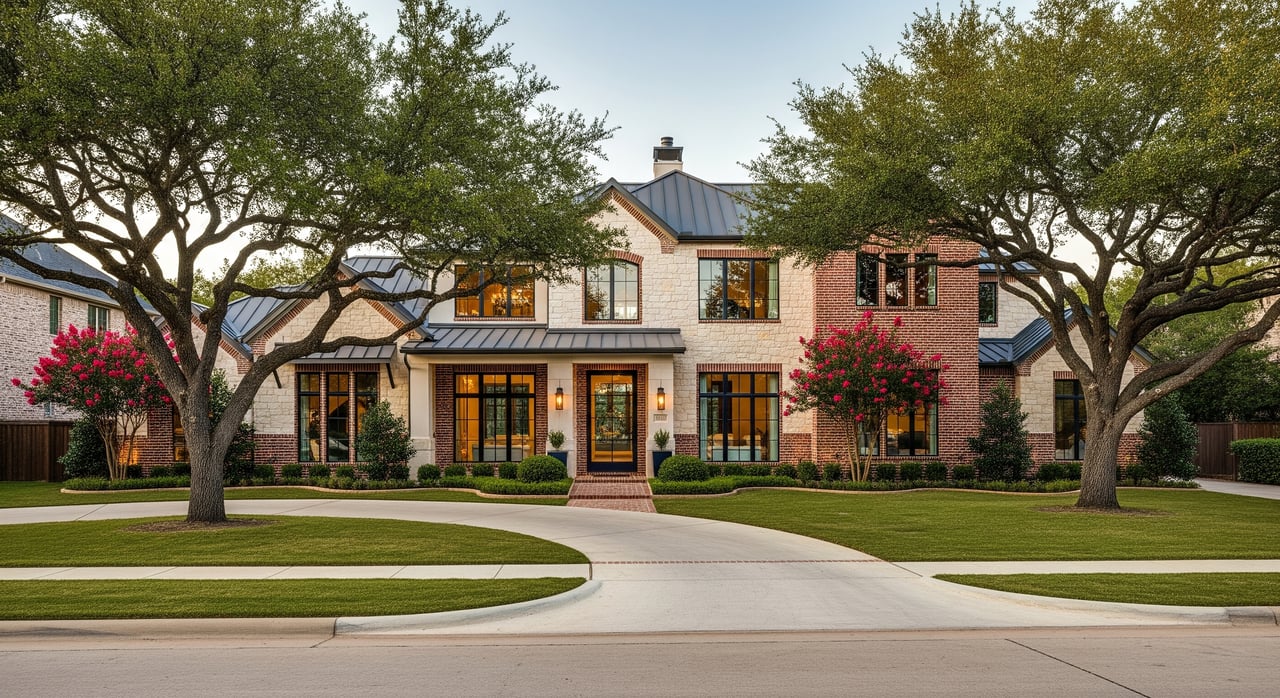
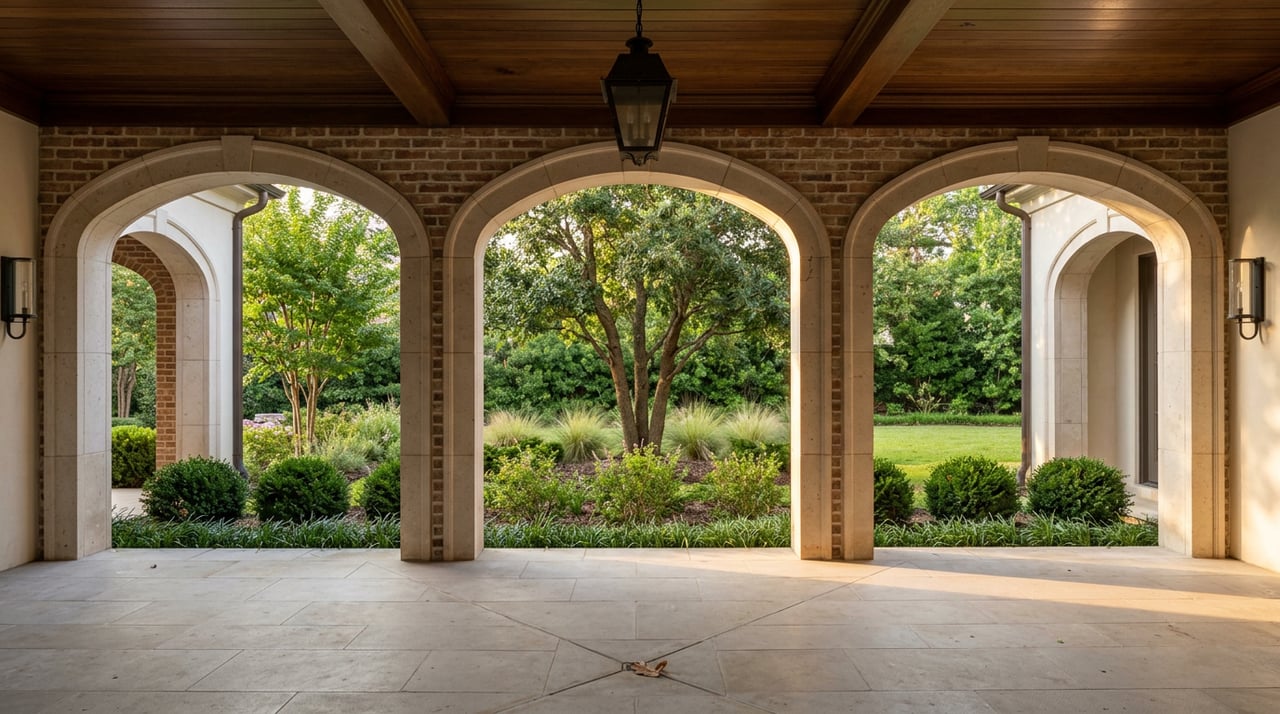
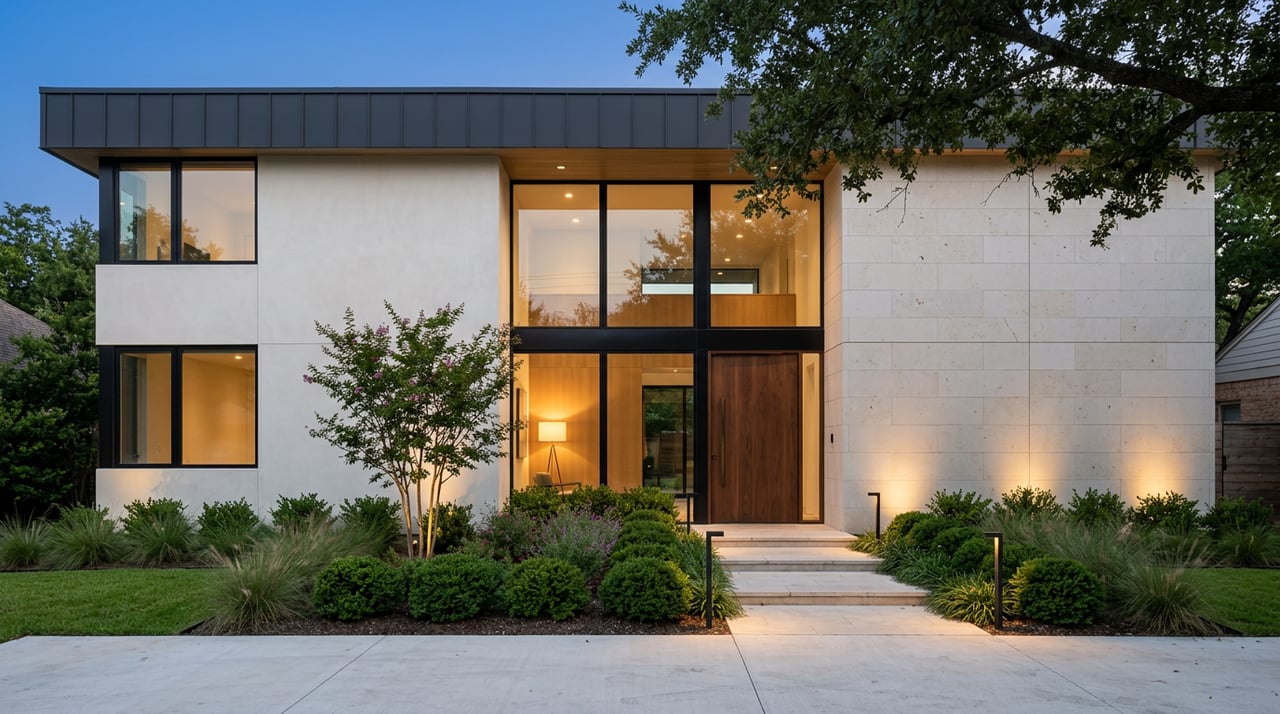
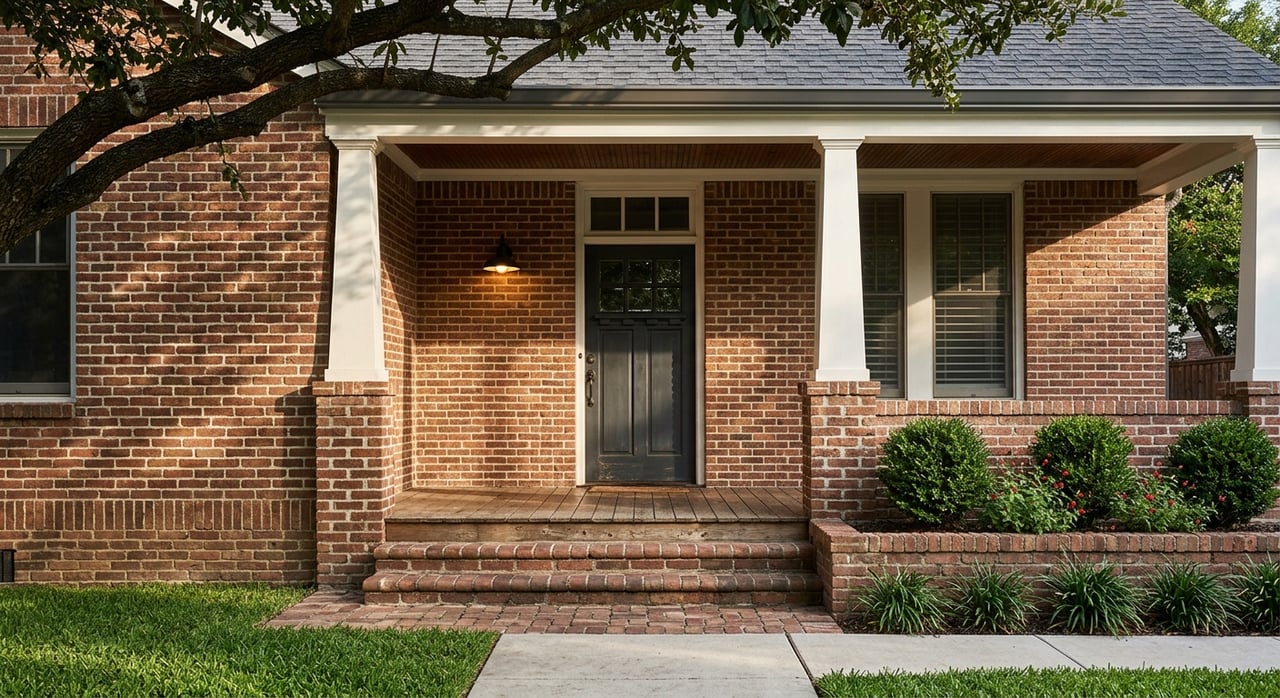
- Presentation: Highlight curb appeal and natural light in photos. In Dallas, spring often offers ideal imagery.
- Accessibility: Offer flexible showing windows, including weekends and virtual tours, to reach busy buyers.
Caveats and what to watch in Dallas County
Year to year, peaks and troughs can shift. Mortgage rates, economic news, employer relocations, and new-construction waves can change the seasonal pattern. Different Dallas neighborhoods and price tiers behave differently, so it is smart to track the latest local metrics.
Focus on these indicators before you act:
- Median sale price, new listings, active inventory, and median days on market for Dallas County over the most recent 12–24 months.
- Mortgage rate trends that can speed up or slow down buyer urgency.
- New-construction activity near your target neighborhood.
- Major employer announcements that may drive sudden local demand.
Ready to plan your move?
Whether you are timing a discreet relocation or coordinating a buy-sell across Dallas suburbs, you deserve a plan that fits the season and your goals. Our team offers white-glove listing prep, strategic pricing, private showings, and coast-to-coast referral support for relocations. Connect with the ProMoves Team to map your next 3–6 months with confidence.
FAQs
When is the best time to sell a home in Dallas?
- Spring and early summer often bring more buyers, shorter days on market, and stronger pricing, but the exact peak can vary by year and neighborhood.
Is winter a bad time to buy in Dallas?
- Winter typically offers less competition and more negotiating room, though you may see fewer listings and should stay flexible on criteria.
How do mortgage rates affect seasonal patterns in Dallas?
- Rising or volatile rates can cool demand, even in spring, while falling rates can intensify competition and support higher spring prices.
Do all Dallas neighborhoods follow the same seasonal pattern?
- No. Luxury segments, investor-heavy areas, and new-construction communities can show muted or different seasonal rhythms compared to county-wide trends.
What should I do 2–3 months before listing in Dallas County?
- Finalize your agent, complete repair punch lists, schedule staging and professional photos, and set pricing aligned with expected seasonal demand.